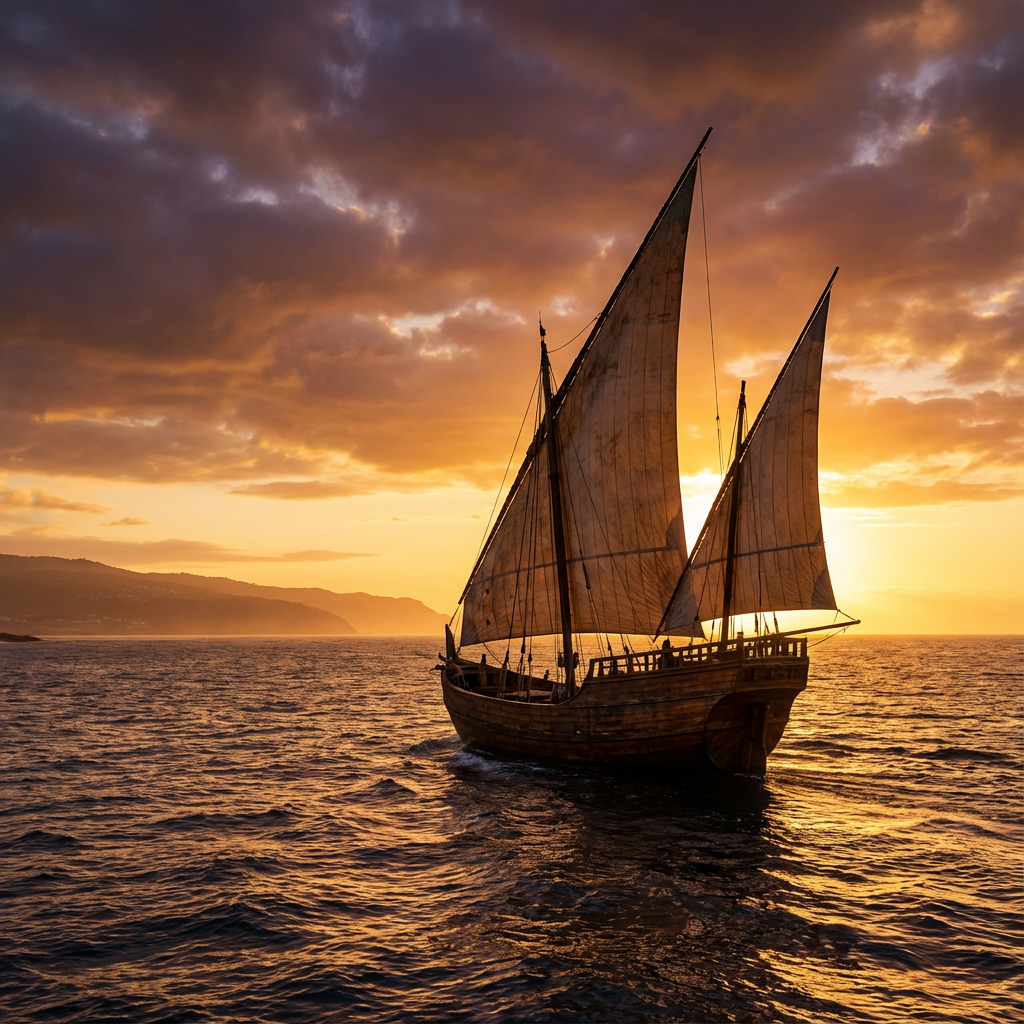
The Soul of Portugal
A thousand years of courage, discovery, and resilience. From the edge of the world to the heart of the globe.

Ancient
Roots
Long before it was known as Portugal, this land was inhabited by the Lusitanians, a collection of Celtic tribes who fiercely resisted Roman expansion. Under the leadership of Viriathus, they became legendary for their guerrilla warfare.
After the Romans finally conquered the territory, they left an indelible mark: roads, bridges, and the Latin language, which would evolve into the Portuguese we speak today.
"The Lusitanians are the most warlike of all the Iberians." — Strabo, Ancient Greek Geographer.
The Age of Discovery
Beyond the horizon, where the sea meets the sky.
Vasco da Gama
The first European to reach India by sea, opening a new era of global trade and cultural exchange. He established the Cape Route, forever changing the world's economy.
Pedro Á. Cabral
While sailing for the Indies, Cabral's fleet veered west and "discovered" Brazil, marking the beginning of the largest Portuguese colony and a major shift in the empire's focus.
Fernão de Magalhães
The first expedition to sail around the world. Although Magellan died in the Philippines, his crew completed the circumnavigation, proving the Earth's true scale.
The Height
& Decline
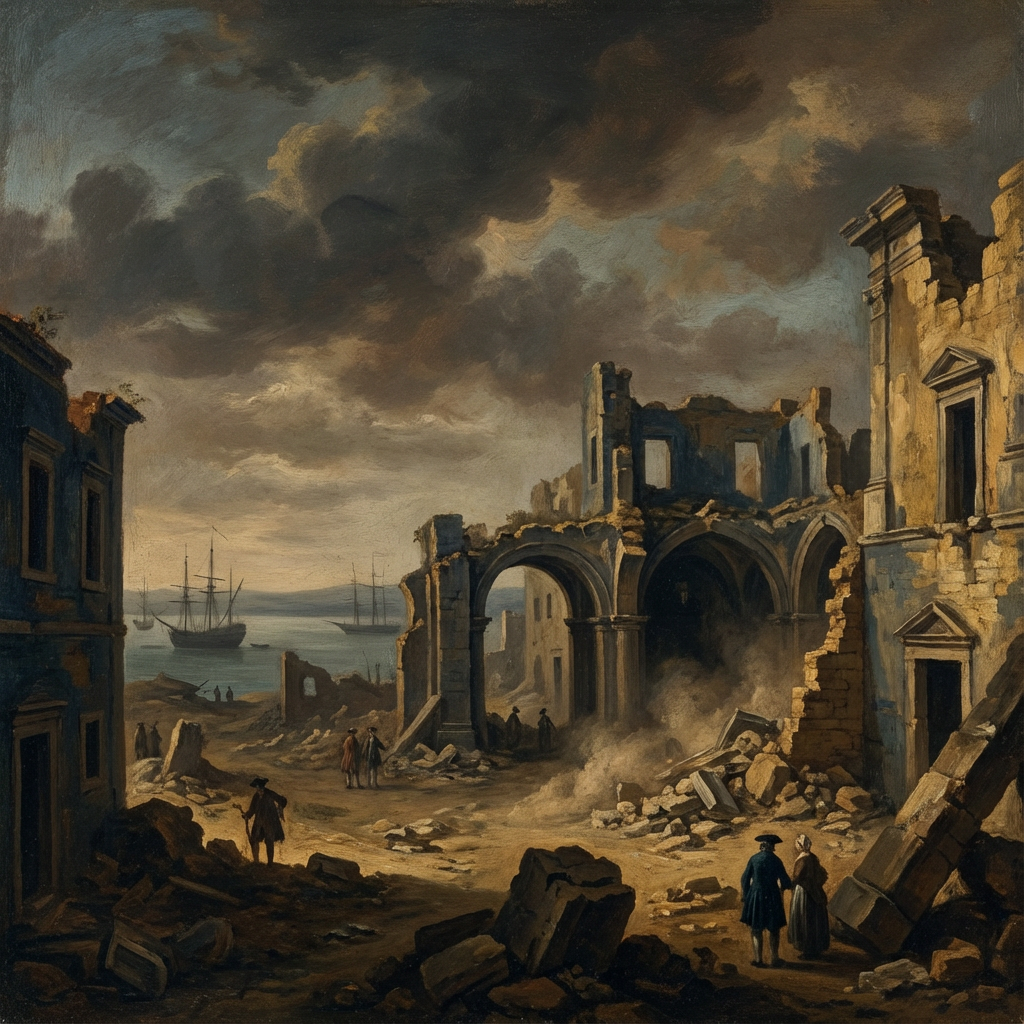
By the 16th century, Portugal had built a global empire spanning from Brazil to Japan. However, the 1755 earthquake in Lisbon was a catastrophic turning point.
The disaster destroyed most of the capital, but under the leadership of the Marquis of Pombal, the city was rebuilt with a revolutionary grid system—becoming one of the first modern cities in Europe.
Subsequent centuries saw the loss of Brazil, political instability, and eventually the rise of the longest-lived authoritarian regime in Western Europe: the Estado Novo.
The Freedom
Revolution
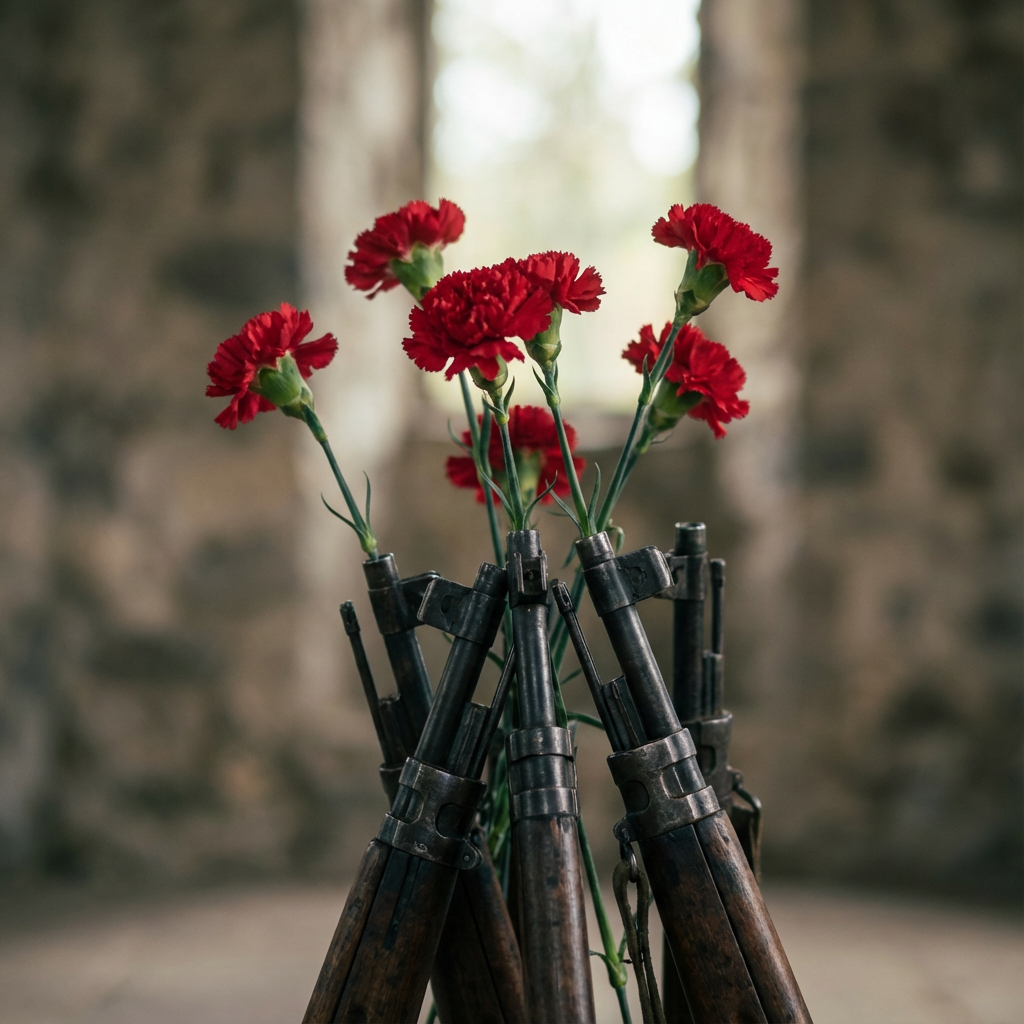
On April 25, 1974, a bloodless military coup known as the Carnation Revolution overthrew the dictatorship. Soldiers placed red carnations in the muzzles of their rifles, symbolizing a peaceful transition to democracy.
This pivotal moment led to the decolonization of African territories and Portugal's integration into the European Union in 1986.
Today, Portugal is a vibrant, modern nation known for its innovation, sustainability, and high quality of life, while remaining deeply connected to its historical identity.
Cultural Heritage
The soul of a nation expressed through art and music.
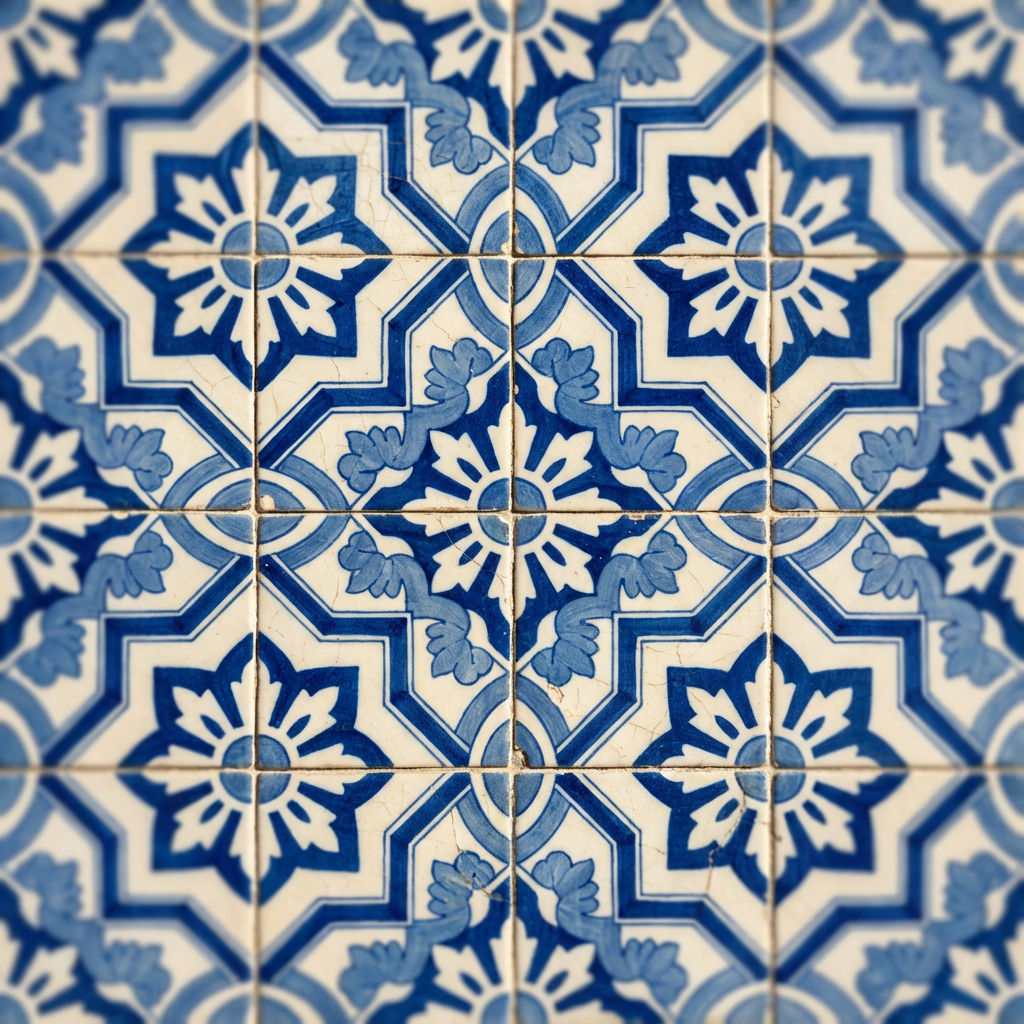
Azulejos
These hand-painted ceramic tiles are a signature of Portuguese architecture, telling stories of history and daily life on the walls of palaces and homes.
Fado Music
The melancholic sound of Fado is the heartbeat of Portugal. Expressing saudade, it is recognized as UNESCO Intangible Cultural Heritage.
Discover Portugal for Yourself
The history of Portugal is still being written. Come and experience the land where the sun meets the Atlantic.
Plan Your Visit